
The Design, Demand, and Details of Big Merch Campaigns

Recent moments in the Baggu and Bay Area Rapid Transit story and Starbucks’ Bearista Cup highlight how powerful branded merchandise can be.

Promotional products and merch shape how people connect with the brands they know. The recent Baggu and Bay Area Rapid Transit situation and the surge around Starbucks’ Bearista Cup show how quickly excitement can grow out of hand and why planning and thoughtful collaboration are essential.

Here are two examples of popular promotional campaigns that bit off a little more than they could chew (and what we can learn from them!)

Baggu’s Collaboration Backfire

Founded in 2007, Baggu is fashion brand that produces casual bags and accessories. They primarily focus on recycled fabrics that feature bold, trendy patterns and collaborations with other brands.

According to PPAI, 33% of buyers in 2025 requested eco-friendly promotional products so it’s easy to see why Baggu would be popular with Gen Z and beyond.

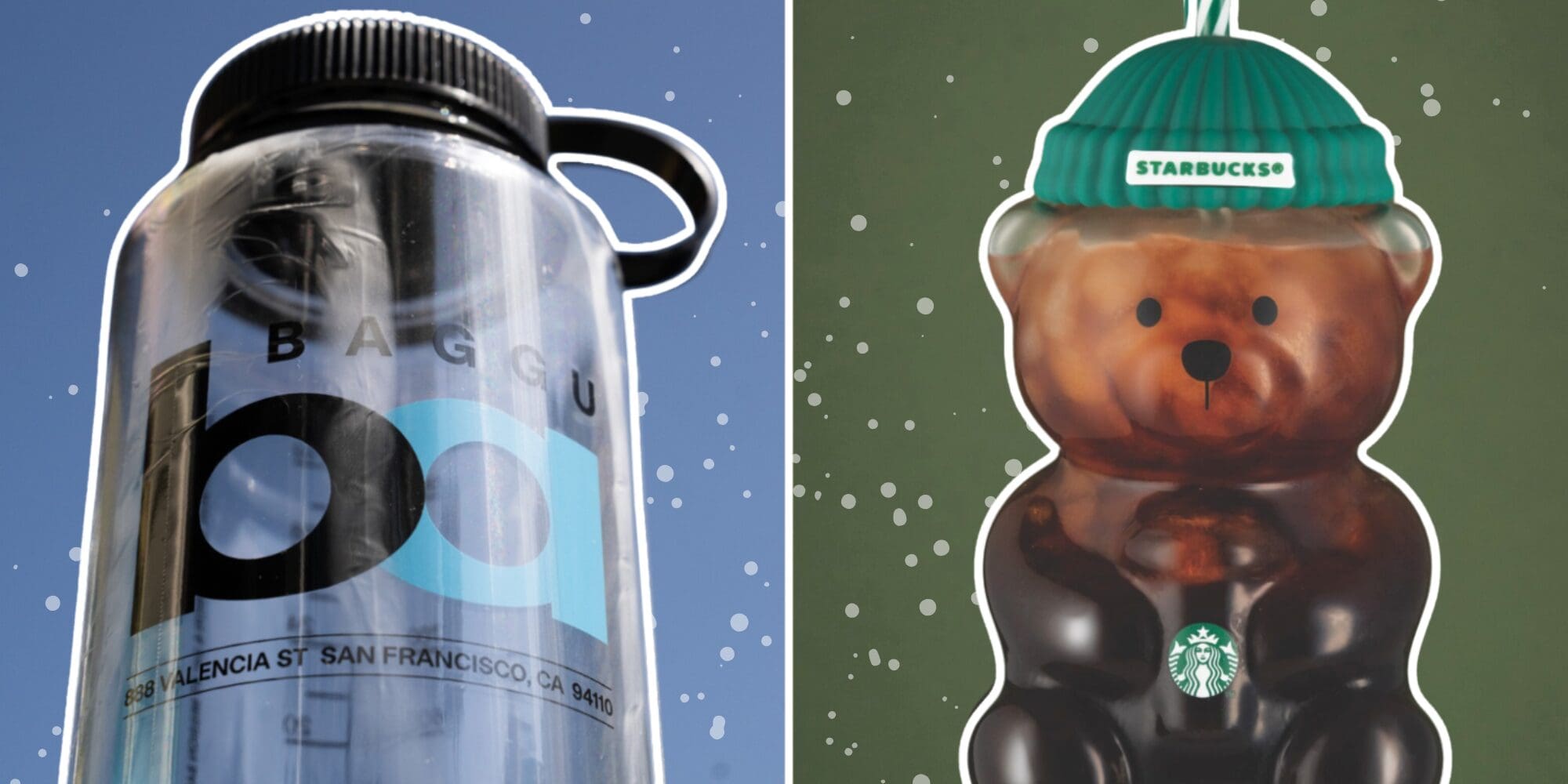
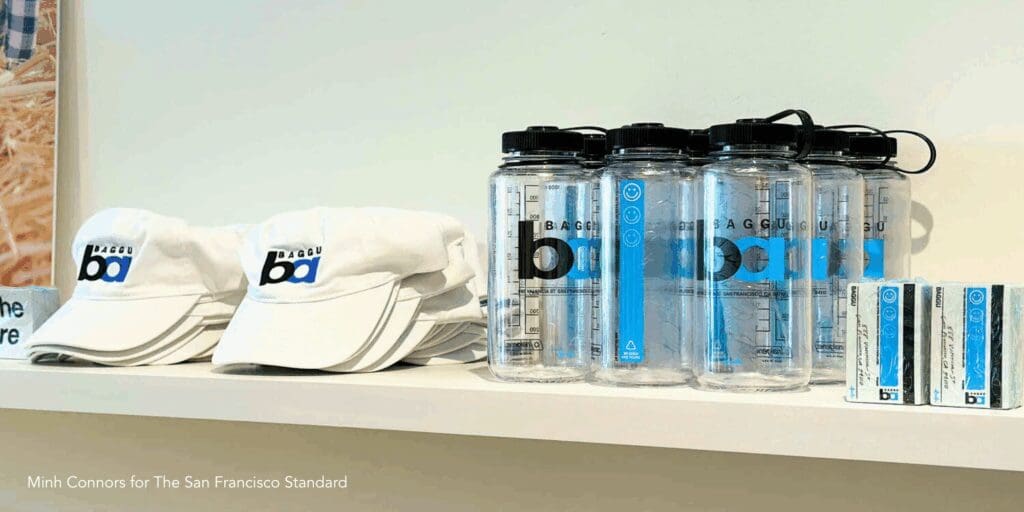
In September of 2025, Baggu opened a new brick and mortar store in San Francisco and featured merchandise that prominently used the Bay Area Rapid Transit (BART) logo. Shoppers lined up early to snag merchandise showing love for their local service, many of them excited about what they assumed was a creative partnership between two beloved Bay Area brands.
 
However, it did not take long for BART to clarify that no collaboration actually existed. The agency had not granted permission for its logo to appear on the items. The moment generated excitement, but it also created confusion and raised questions about how brand imagery is used.

Takeaways:

1. Brand Equity Drives Demand

Customers were excited about this collaboration because of how personal, unique and local it was. Finding ways to celebrate local trends are a great way to set your products apart and generate buzz.

2. Licensing is Essential

Even well-intentioned merchandise can create issues if proper approvals are not in place. This can impact revenue and even lead to lawsuits.

3. Brand Protection Matters

When a logo or artwork is used without permission, it can lead to a negative perception from the public. Customers were angry that Baggu would attempt to profit from a local agency’s imagery that had already declared a “financial crisis”.

"Brand collaborations are a very popular way to promote beloved brands. If done correctly, they can bring a lot of positive attention and new business to these brands. Baggu definitely missed the mark here. They not only cut BART out of any financial gain, but also damaged their own reputation in the process."

Starbucks’ Short-Supplied Sensation

Starbucks also made headlines with the release of its limited-edition “Bearista Cup”. Starbucks sells a variety of reusable cups in their stores, often with seasonal designs or the occasional collaboration. But this design took social media by storm. The Bearista Cup featured an adorable bear-shaped glass (stamped with a Starbucks logo), a silicone beanie lid and reusable straw.

PPAI reported that 64% of buyers in 2025 are interested in unique and personalized products which would explain the appeal of the Bearista Cup.

However, the announcement of the extra cute Bearista Cup became a social media trend almost immediately, leading customers to line up outside stores as early as 1 A.M. to try to secure one.
 
Despite the enthusiasm, many stores received only one or two cups to sell, and most customers left empty-handed. The backlash was so bad, Starbucks ultimately issued an apology acknowledging the disappointment and explaining that demand far exceeded expectations.

Takeaways:

1. Promotional Products Create Emotional Connection

The Bearista Cup became a collectible because customers viewed it as meaningful, not simply functional. This was a push toward “cuter” Starbucks merchandise similar to what is successful in Starbucks locations in other countries.

2. Scarcity Requires Balance

Limited-edition items can build excitement, but too little supply can cause frustration and overshadow the success of the product.

3. Planning is Important

Forecasting interest, preparing inventory, and setting expectations all contribute to a positive brand experience. Leave your customers excited and wanting a little more, not empty-handed and frustrated.

"The Bearista Cup craze shows that when something is cute, limited, and feels personal, people go all in. It proves that when a product hits the right audience and feels intentional, the excitement around it can grow way beyond the item itself."


At TK Promotions, a significant part of our work happens behind the scenes, where we review brand guidelines, confirm licensing requirements, and sort through the details that keep a project running smoothly. Taking the time to do this ensures every project is accurate, intentional, and true to the brand.

The strongest promotional pieces come from a blend of creativity and preparation, supported by partners who understand both.

If you are planning your next branded item or marketing campaign, reach out to us to get started!

Table of Contents